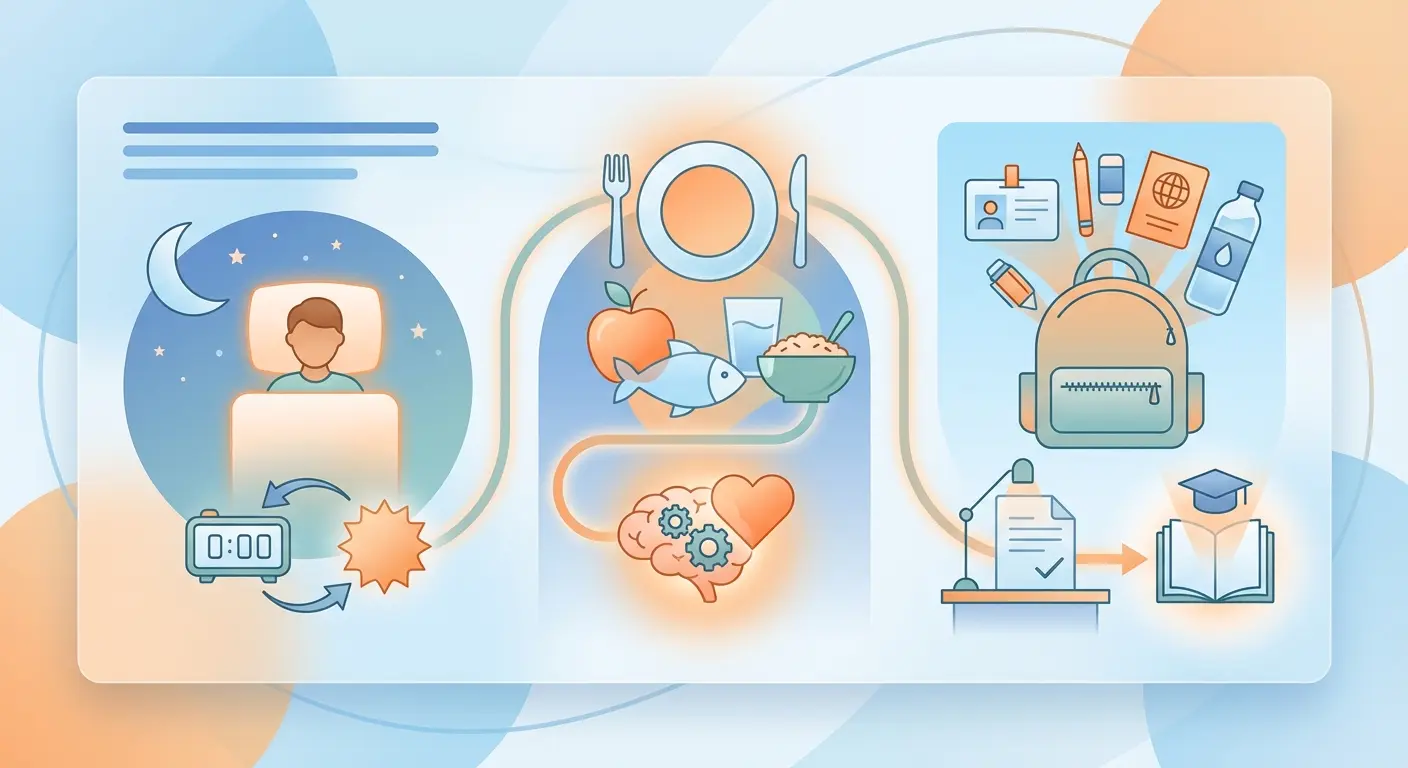
Test Day Preparation: Sleep, Diet, and What to Bring for IELTS Success
Absolutely! Here's a comprehensive and engaging blog post designed to guide IELTS test-takers on their crucial test day preparation.
Test Day Preparation: Sleep, Diet, and What to Bring for IELTS Success
The IELTS exam. For many, it's a significant hurdle, a gateway to academic dreams, professional ambitions, and new beginnings. You’ve dedicated countless hours to mastering grammar, expanding your vocabulary, honing your reading comprehension, and perfecting your speaking fluency. You’ve poured over practice tests, refined your essay structures, and perhaps even practised your listening skills in less-than-ideal environments. Now, with the test date looming, the question shifts from "How do I prepare?" to "How do I arrive prepared on test day?"
This final stage of preparation is often overlooked, yet it's arguably as critical as the months of study. Think of it this way: you wouldn't run a marathon without proper hydration and rest, would you? Similarly, your brain, your most vital tool for the IELTS, needs the right fuel and rejuvenation to perform at its peak. This blog post is your ultimate guide to ensuring you're not just ready for the IELTS, but truly primed for success. We’ll delve into the science of sleep, the art of mindful eating and hydration, and create a foolproof checklist of what to bring. Let's get you test-day ready!
The Power of the Pillow: Why Sleep Trumps Last-Minute Cramming
Let’s address the elephant in the room: the temptation to pull an all-nighter to cram in those last few phrasal verbs or grammatical structures. I understand the anxiety, the feeling that there’s always one more thing to review. However, as your IELTS instructor, I must emphatically state: sleep is not a luxury; it's a necessity for optimal cognitive function, especially during high-stakes exams like the IELTS.
The Science Behind It: How Sleep Fuels Your Brain
During sleep, your brain isn’t just resting; it’s actively engaged in vital processes that directly impact your ability to learn, remember, and perform.
- •Memory Consolidation: This is where the magic happens. While you sleep, your brain consolidates the information you’ve learned throughout the day, transferring it from short-term to long-term memory. This means that those vocabulary words, grammar rules, and essay structures you’ve diligently studied are being solidified. Cramming, on the other hand, overwhelms your brain, making it difficult to process and retain new information effectively.
- •
Enhanced Focus and Concentration: A well-rested brain is a focused brain. Sleep deprivation significantly impairs your attention span, making it harder to concentrate on the Listening section, follow complex reading passages, or maintain your train of thought during the Speaking test. Imagine trying to decipher a rapid-fire audio clip or articulate a nuanced argument when your mind is foggy and easily distracted.
- •
Improved Problem-Solving and Critical Thinking: The IELTS requires you to think on your feet, analyse information, and construct logical arguments. These higher-order cognitive functions are heavily reliant on a well-rested brain. When you're tired, your ability to think creatively, solve problems efficiently, and make sound judgments diminishes.
- •
Emotional Regulation and Stress Management: Test day can be nerve-wracking. Adequate sleep helps regulate your mood and improve your resilience to stress. A lack of sleep can amplify anxiety, leading to panic and hindering your performance. You want to approach the exam with a calm and confident mindset, not one fraught with worry and fatigue.
The Pitfalls of All-Night Cramming
- •Diminished Recall: While you might feel like you’re absorbing more information, the reality is that cramming often leads to superficial learning. The information is less likely to be retained long-term and may be difficult to access under pressure.
- •
Increased Errors: Sleep deprivation is directly linked to an increase in cognitive errors. You might find yourself making silly mistakes in grammar, misinterpreting questions, or struggling with basic recall.
- •
Heightened Anxiety: The stress of not sleeping, coupled with the pressure of the exam, can create a vicious cycle of anxiety and poor performance. Your mind might race, making it even harder to relax and focus.
- •
Physical Fatigue: Beyond the mental toll, lack of sleep leads to physical exhaustion, which can manifest as headaches, irritability, and a general feeling of being unwell – certainly not the ideal state for a demanding exam.
Actionable Advice: prioritising Sleep
- •Establish a Consistent Sleep Schedule: In the week leading up to your IELTS exam, aim to go to bed and wake up around the same time each day, even on weekends. This helps regulate your body's natural sleep-wake cycle (circadian rhythm).
- •
Create a Relaxing Bedtime Routine: Wind down for at least an hour before bed. This could include reading a physical book (avoid screens!), taking a warm bath, listening to calming music, or practising light stretching.
- •
optimise Your Sleep Environment: Ensure your bedroom is dark, quiet, and cool. Invest in blackout curtains if necessary, and consider earplugs if noise is an issue.
- •
Avoid Stimulants: Limit caffeine intake in the afternoon and evening. Also, be mindful of heavy meals or alcohol close to bedtime, as these can disrupt sleep.
- •
Listen to Your Body: If you're feeling tired, prioritise rest. Don't push yourself to study when your brain is signaling for downtime. A well-rested mind will absorb information more effectively than a fatigued one.
- •
The Night Before: Resist the urge to cram. Instead, do a light review of key notes or vocabulary. Focus on relaxation and getting a full, uninterrupted night's sleep. Aim for 7-9 hours.
Fueling Your Focus: Balanced Diet and Hydration for Test Day
Just as your brain needs rest, it also needs the right nourishment and hydration to function optimally. The food and drinks you consume in the days leading up to and on the morning of your IELTS exam can have a significant impact on your energy levels, concentration, and overall mental clarity. Think of your body and brain as a high-performance vehicle; you wouldn't put low-quality fuel in it, would you?
The Impact of Nutrition and Hydration
- •Sustained Energy Levels: Complex carbohydrates provide a steady release of energy, preventing the dreaded mid-exam slump. Sugary snacks, while offering a quick burst, are followed by an inevitable crash, leaving you feeling drained and unfocused.
- •
Improved Cognitive Function: Certain nutrients are crucial for brain health and function. Omega-3 fatty acids, antioxidants, and B vitamins play a vital role in memory, concentration, and overall cognitive performance.
- •
Reduced Fatigue and Headaches: Dehydration is a common culprit behind fatigue, headaches, and difficulty concentrating. Maintaining adequate hydration ensures your brain receives the oxygen and nutrients it needs.
- •
Emotional Stability: Your gut-brain connection is powerful. A balanced diet can contribute to better mood regulation, reducing feelings of anxiety and stress that can arise during stressful situations like exams.
What to Eat and Drink (and What to Avoid)
In the Days Leading Up to the Exam:
- •Focus on Whole Foods: prioritise fruits, vegetables, lean proteins, and whole grains. These provide a steady stream of nutrients and fiber.
- •Examples: Oatmeal, whole-wheat bread, brown rice, quinoa, lean chicken or fish, eggs, beans, lentils, a variety of colorful fruits and vegetables.
- •Healthy Fats: Include sources of healthy fats, which are essential for brain health.
- •Examples: Avocados, nuts, seeds, olive oil, fatty fish (salmon, mackerel).
- •
Hydration: Drink plenty of water throughout the day. Don't wait until you feel thirsty; thirst is often a sign that you're already slightly dehydrated. Aim for at least 8 glasses (around 2 liters) per day, and adjust based on your activity level and climate.
- •
Limit Processed Foods and Sugary Drinks: These can lead to energy spikes and crashes, and offer little nutritional value.
- •
Moderate Caffeine: If you're a regular coffee drinker, try to moderate your intake in the days leading up to the exam. Too much caffeine can lead to jitters and disrupt sleep.
On Test Morning:
- •Eat a Balanced Breakfast: This is crucial for providing sustained energy. Aim for a breakfast that combines complex carbohydrates, protein, and healthy fats.
- •Good Choices:
- •Oatmeal with berries and nuts.
- •Whole-wheat toast with eggs and avocado.
- •A smoothie made with fruit, yogurt, and a spoonful of nut butter.
- •Avoid: Sugary cereals, pastries, or anything that will cause a rapid sugar spike and subsequent crash.
- •
Hydration is Key: Drink a glass of water upon waking. Bring a bottle of water with you to the test centre (more on this below).
- •
Avoid Overeating: A heavy meal can make you feel sluggish. A light to moderate breakfast is ideal.
- •
Limit Caffeine (if sensitive): If you're sensitive to caffeine or it makes you feel anxious, it's best to avoid it on test morning. If you're accustomed to it and it helps you focus, a moderate amount might be beneficial, but be mindful of its effects.
Hydration: The Unsung Hero
- •Why it Matters: Water is vital for virtually every bodily function, including brain activity. Even mild dehydration can lead to fatigue, reduced concentration, headaches, and impaired cognitive performance.
- •
How Much? As mentioned, aim for consistent hydration in the days leading up to the exam. On test morning, drink a glass of water and bring a bottle with you.
- •
What to Bring: Crucially, bring a transparent, reusable water bottle. Many test centres will allow you to bring these in, but they must be empty when you enter the exam room. You can then fill it up during breaks if available. This ensures you can stay hydrated without having to leave the room and potentially miss important instructions.
The Essential Checklist: What to Bring for IELTS Success
You've done the mental preparation, you're fueling your body; now let's ensure you have all the practical necessities sorted. Going into the exam room unprepared with the right materials can add unnecessary stress. This checklist is designed to be comprehensive, so you can walk into your IELTS test with confidence, knowing you're equipped for every section.
Essential Documents
- •Identification (ID): This is non-negotiable and the most important item.
- •What to Bring: Your passport or national identity card, whichever you used to register for the IELTS test. Ensure it is valid and has not expired.
- •Important Note: The name on your ID must exactly match the name you used when registering for the test. Any discrepancies could lead to you being denied entry.
- •Pro Tip: Make a photocopy or take a clear photo of your ID and keep it separate from the original, just in case.
Writing Materials
- •Pencils: The IELTS exam, particularly the Listening and Reading sections, requires you to write your answers on a paper booklet. You will also be writing your essays and task response in the Writing section.
- •What to Bring: At least two sharpened HB pencils. Mechanical pencils are generally not recommended as they can break or run out of lead.
- •Why HB? HB pencils are ideal for scanning by the grading machines.
- •Pro Tip: Bring a small, portable pencil sharpener if you're worried about your pencils becoming blunt.
- •Eraser: For correcting any mistakes.
- •What to Bring: A clean, effective eraser.
- •Pro Tip: Ensure your eraser doesn't smudge or tear the paper.
- •Pen (for Speaking Test): While most of the test is on paper, the Speaking test is a face-to-face interview. You won't need to write anything, but it's good practise to have a pen handy for any notes you might take before the test.
- •What to Bring: A black or blue pen.
- •Important Note: You will not be allowed to use a pen for the Listening, Reading, or Writing sections of the test. Only pencils are permitted for these sections.
Other Important Items
- •Transparent Water Bottle: As discussed earlier, staying hydrated is crucial.
- •What to Bring: An empty, transparent, reusable water bottle.
- •Why Transparent? Test centres need to ensure no unauthorized materials are brought into the exam room.
- •Pro Tip: Make sure the lid is secure to prevent leaks.
- •Comfortable Clothing: You'll be sitting for an extended period.
- •What to Wear: Layers are your friend! The temperature in the exam room can fluctuate. Wear comfortable, breathable clothing that doesn't restrict your movement. Avoid anything too tight or distracting.
- •Pro Tip: If you tend to feel cold, bring a light jacket or cardigan that you can easily remove if you get too warm.
- •Watch (Optional, Check Test centre Policy): Some test centres allow you to wear a watch, while others do not.
- •What to Bring: A simple, analog watch with no alarms or electronic functions.
- •Important Note: Always check your specific test centre's policy on watches beforehand. If in doubt, it's safer to leave it at home. There will be clocks in the exam rooms.
- •Snacks (for breaks, if applicable): Depending on the test format and location, there might be a short break between sections.
- •What to Bring: Small, quiet, and non-messy snacks.
- •Examples: A small packet of biscuits, a banana, or a small energy bar.
- •Important Note: Only consume snacks during designated breaks. Do not eat or drink in the exam room itself.
What NOT to Bring
- •Electronic Devices: Mobile phones, smartwatches, headphones, cameras, or any other electronic devices are strictly forbidden. They will be confiscated and may lead to disqualification.
- •
Bags and Backpacks: Most test centres will ask you to leave your bags outside the exam room, often in a designated cloakroom.
- •
Food and Drink (except water): As mentioned, only water is typically allowed in the exam room.
- •
Stationery other than pencils and erasers: No rulers, correction fluid, or other writing instruments are permitted.
- •
Notes or Textbooks: Obvious, but a reminder that the exam environment is strictly controlled.
Pre-Test Day Checklist:
- •Confirm Test Location and Time: Double-check your IELTS appointment letter for the exact address and start time of your test. Plan your route and travel time accordingly.
- •
Pack Your Bag the Night Before: Lay out your clothes and pack your bag with all the necessary items from the checklist. This will save you precious time and reduce stress on test morning.
- •
Charge Your Phone (and leave it at home/with a friend): Ensure your phone is fully charged, but remember to switch it off and leave it securely outside the exam room.
Your Well-being is Part of Your Preparation
It might sound cliché, but your mental and physical well-being are integral components of your IELTS preparation. The exam is a demanding intellectual challenge, and approaching it with a depleted mind and body is like trying to climb a mountain with inadequate gear.
- •Manage Anxiety: It’s normal to feel nervous. practise relaxation techniques like deep breathing exercises or mindfulness meditation in the days leading up to the exam. Focus on what you can control: your preparation, your sleep, your diet, and your mindset.
- •
Positive Self-Talk: Remind yourself of all the hard work you've put in. You are capable, and you have the skills to succeed. Replace negative thoughts with positive affirmations.
- •
Familiarize Yourself with the Test centre: If possible, visit the test centre a day or two before the exam to get a feel for the environment and locate it. This can reduce pre-test jitters.
- •
Trust Your Preparation: You've studied diligently. Trust in your knowledge and your ability to apply it. The goal isn't perfection; it's to demonstrate your English proficiency to the best of your ability on that specific day.
Key Takeaways for Test Day Success
- •prioritise Sleep: Aim for 7-9 hours of quality sleep in the nights leading up to the exam. Sleep is crucial for memory consolidation, focus, and stress management. Resist the urge to cram.
- •
Eat Smart, Hydrate Well: Fuel your brain with a balanced diet of whole foods. Stay consistently hydrated in the days before and on test morning. Avoid sugary foods and excessive caffeine.
- •
The Essential Checklist:
- •
Must-Haves: Valid ID (passport/national ID), at least two sharpened HB pencils, a clean eraser, and an empty, transparent water bottle.
- •Check Policies: Confirm the test centre's rules on watches and any other personal items.
- •Leave at Home: All electronic devices, unnecessary bags, and other prohibited items.
- •Mindset Matters: Manage your anxiety through relaxation techniques and positive self-talk. Trust your preparation and focus on doing your best.
The IELTS exam is a significant achievement. By focusing on these essential aspects of test day preparation – sleep, diet, and bringing the right items – you are setting yourself up for success. You’ve worked hard; now it’s time to shine. Good luck!
Next best action
Move from strategy to score gains with a targeted practice step.